
|
Quantity
|
Total
|
||
|
|
|||
|
|
|||
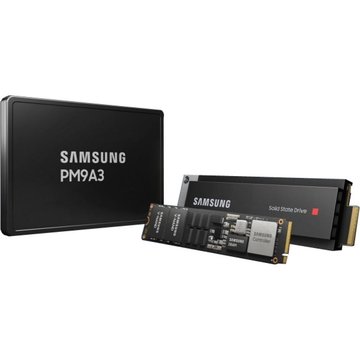
SSD drives use flash memory to store data and provide fast access to files compared with traditional mechanical drives. SSDs are commonly installed in desktop PCs and laptops to improve Windows, application and game loading times.
M.2 NVMe or SATA SSD?
One of the main differences between SSDs is their connection interface. M.2 NVMe SSDs use the NVMe protocol over PCI Express and can deliver very high data transfer speeds. SATA SSDs use the SATA interface and are often a practical upgrade for older PCs and laptops.
It is important to distinguish between form factor and interface: M.2 describes the physical format, while NVMe describes the storage protocol. Check the motherboard or laptop specifications before purchasing.
What SSD capacity should you choose?
A smaller SSD can be sufficient for an operating system and everyday applications, while modern games, large file libraries, video editing and professional software may benefit from higher capacities. The right size depends on how much data you plan to store.
What to consider when choosing an SSD
Compare capacity, interface, form factor, read and write speeds, TBW endurance and NAND type. For a system drive, reliability and compatibility with the specific computer are also important.
At Laptop One, you can compare specifications and buy an M.2 NVMe or SATA SSD for a PC or laptop with the capacity and performance you need.